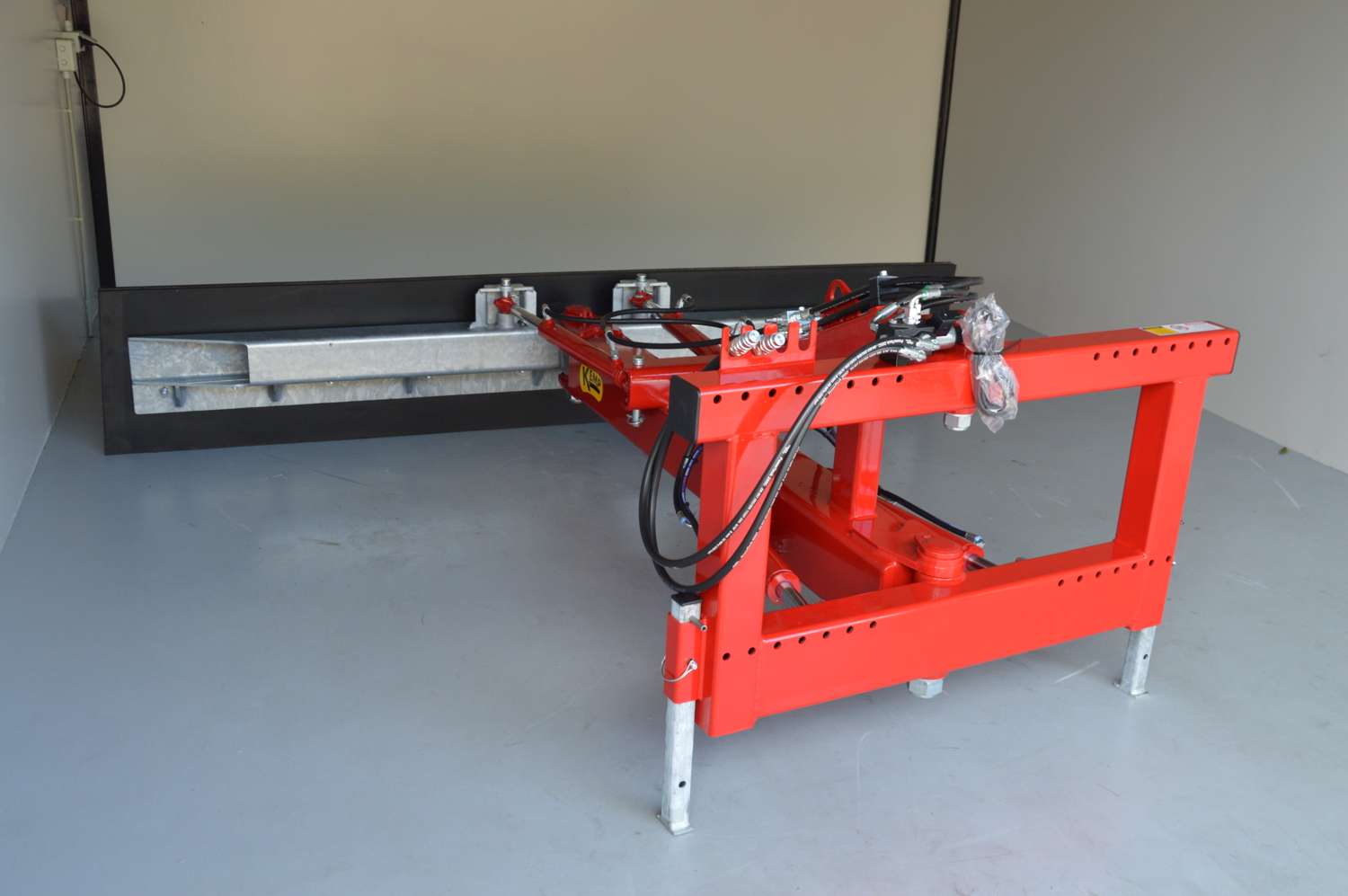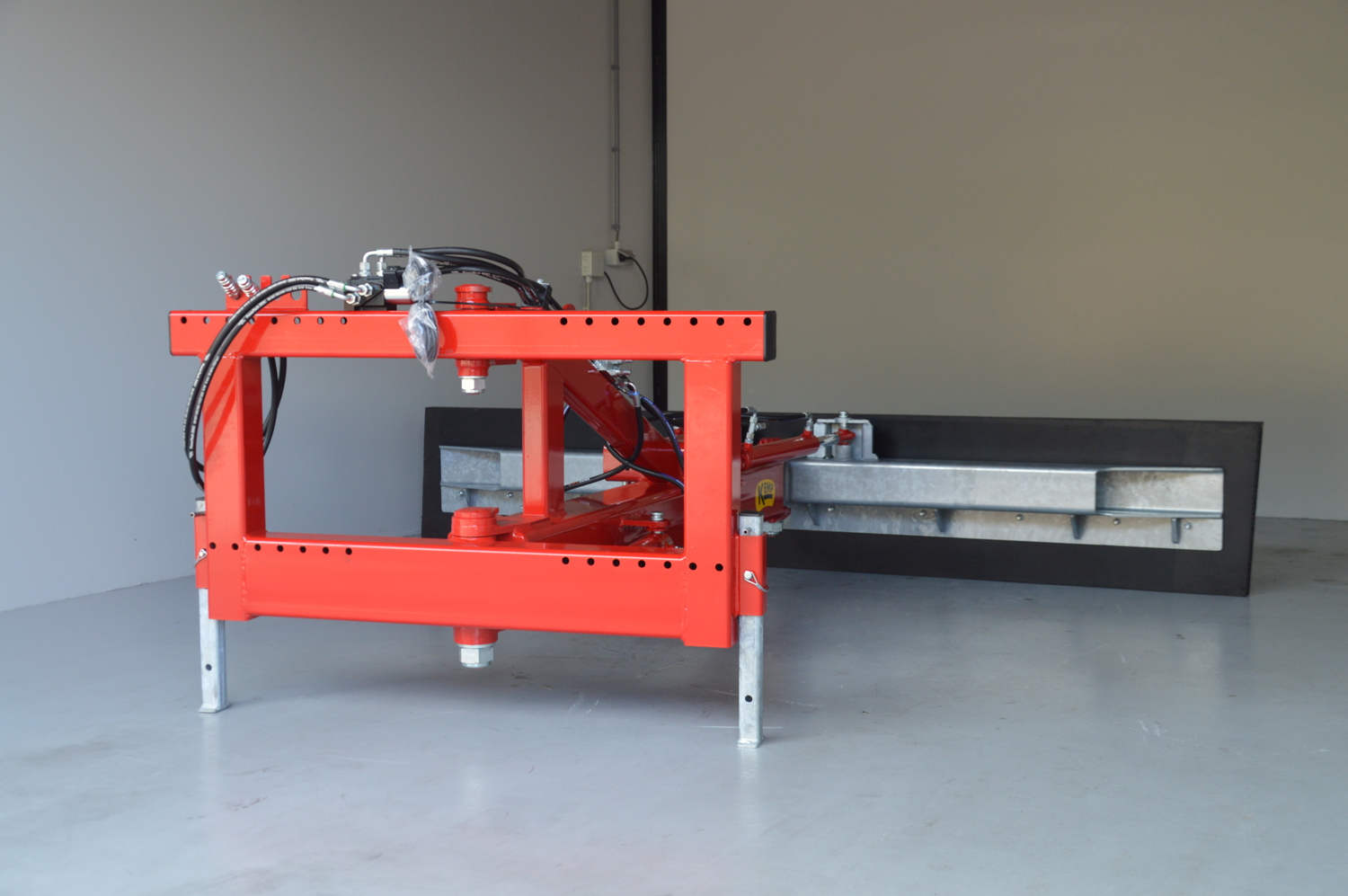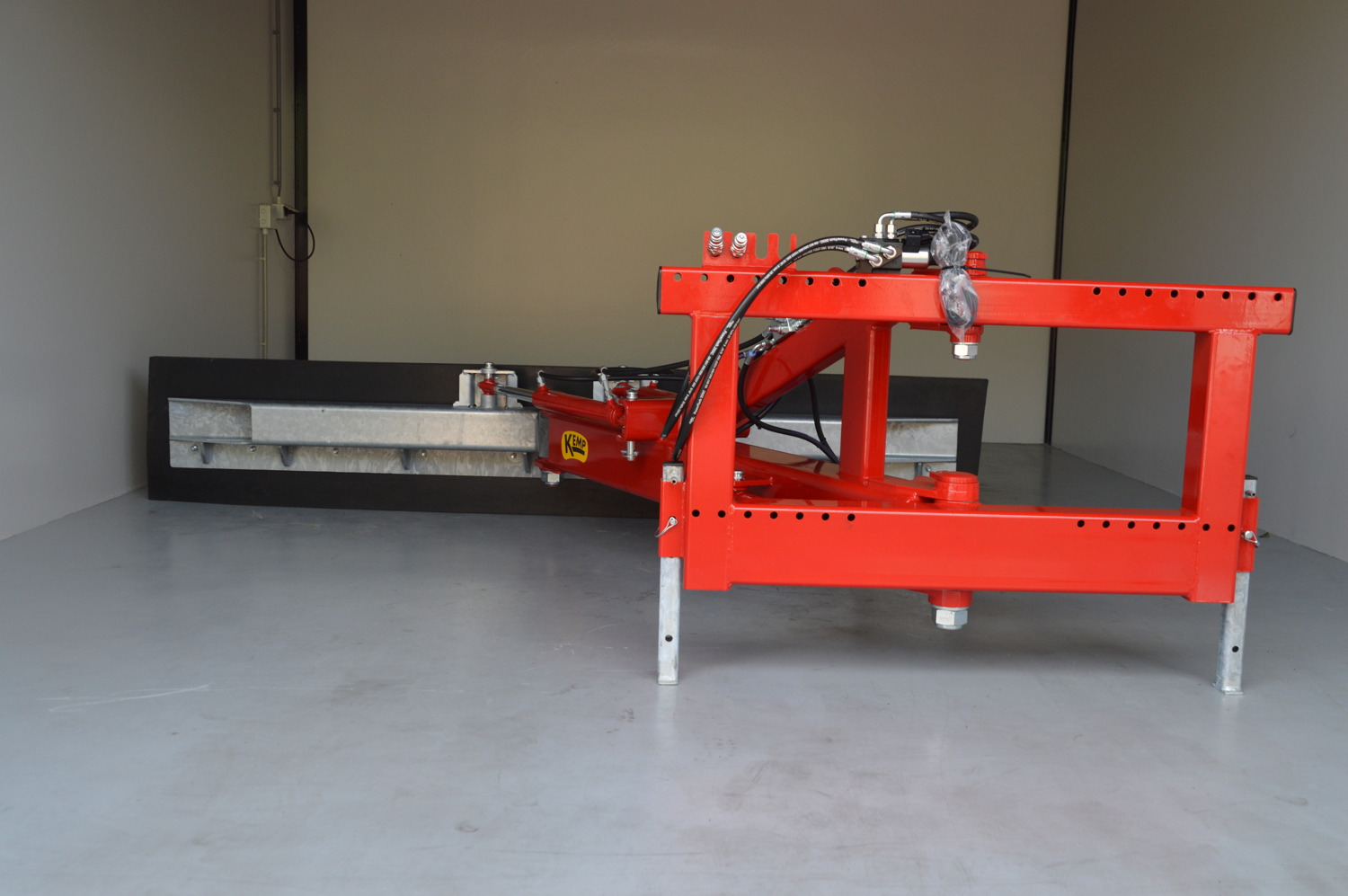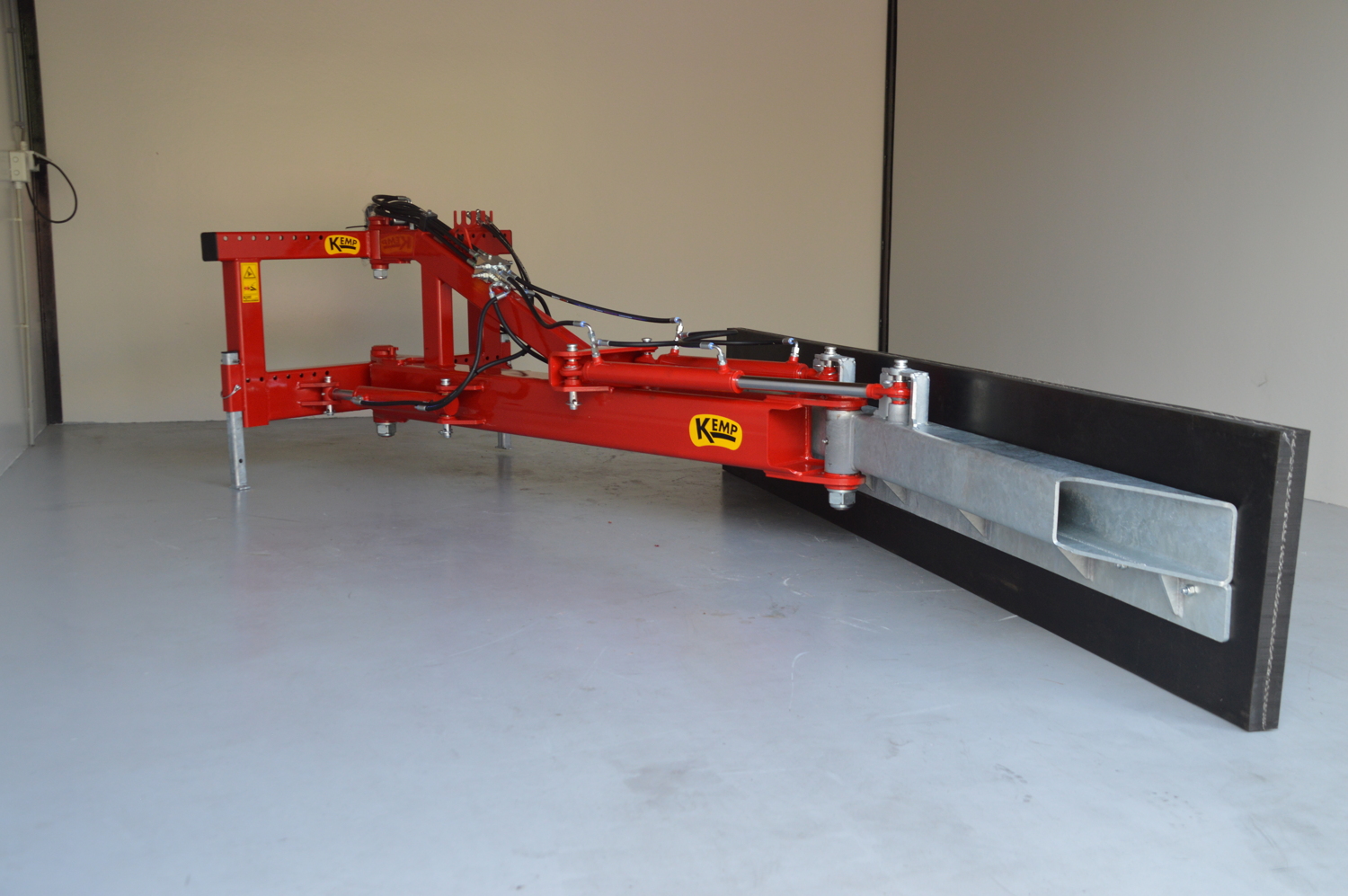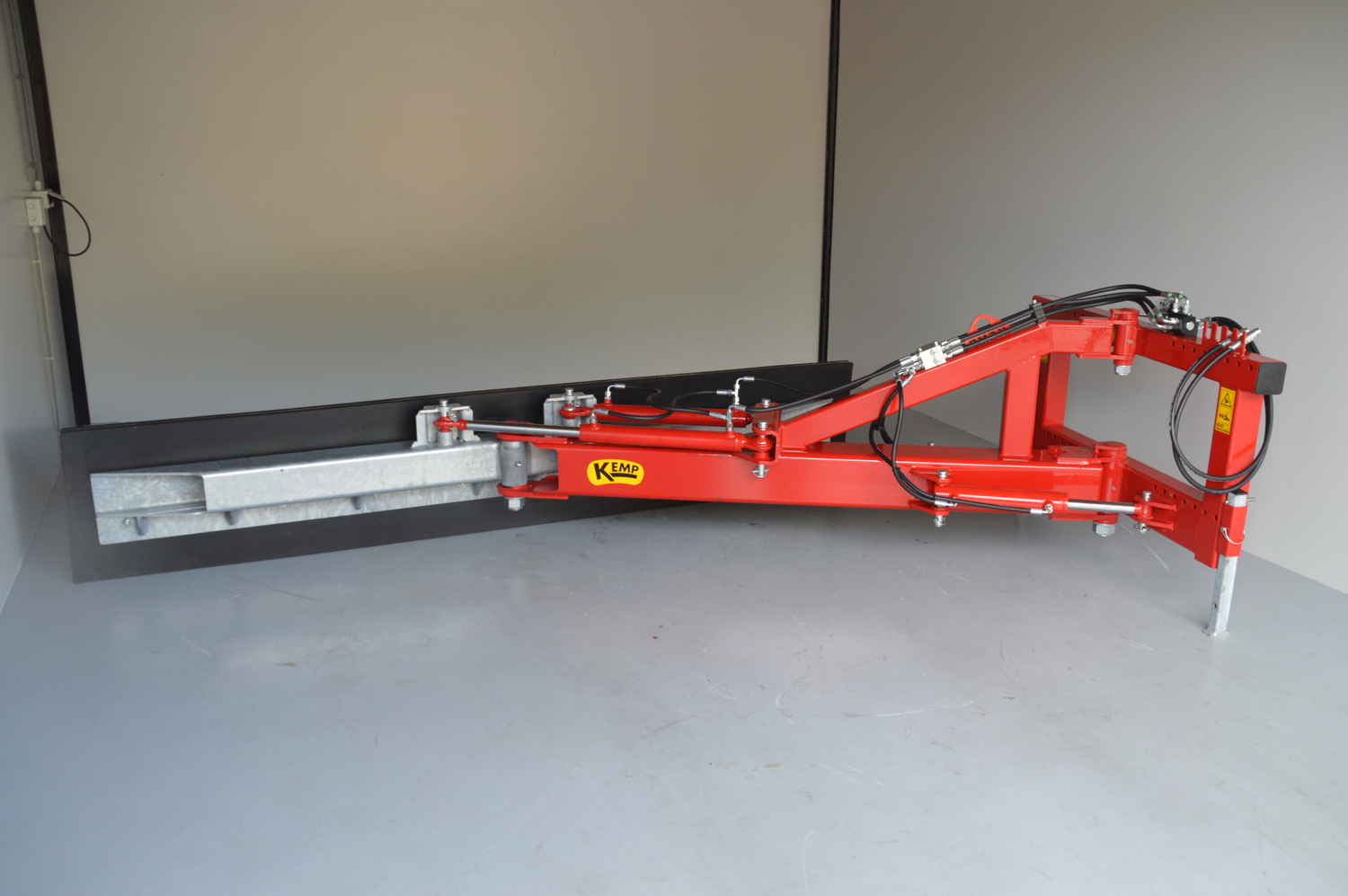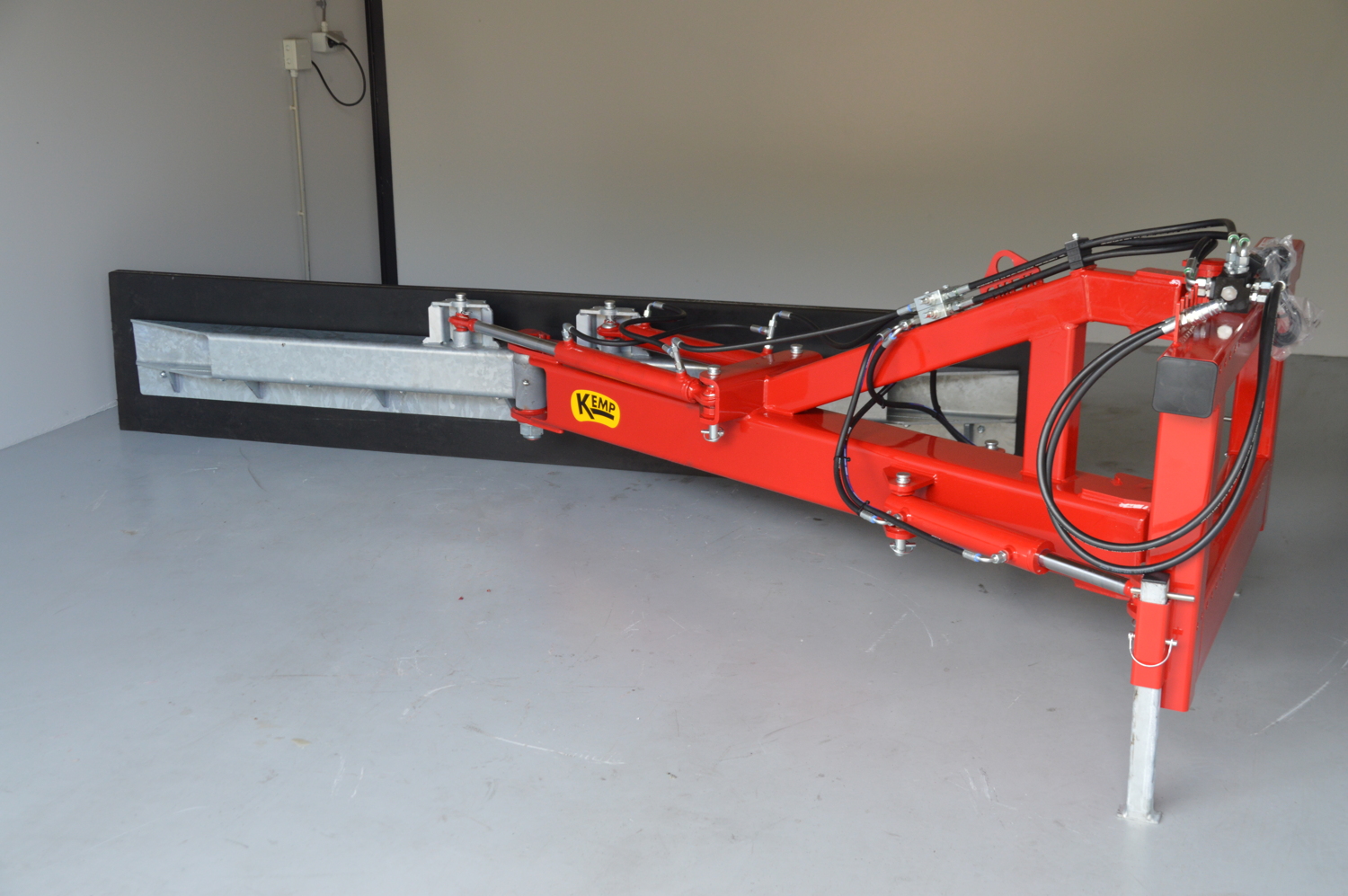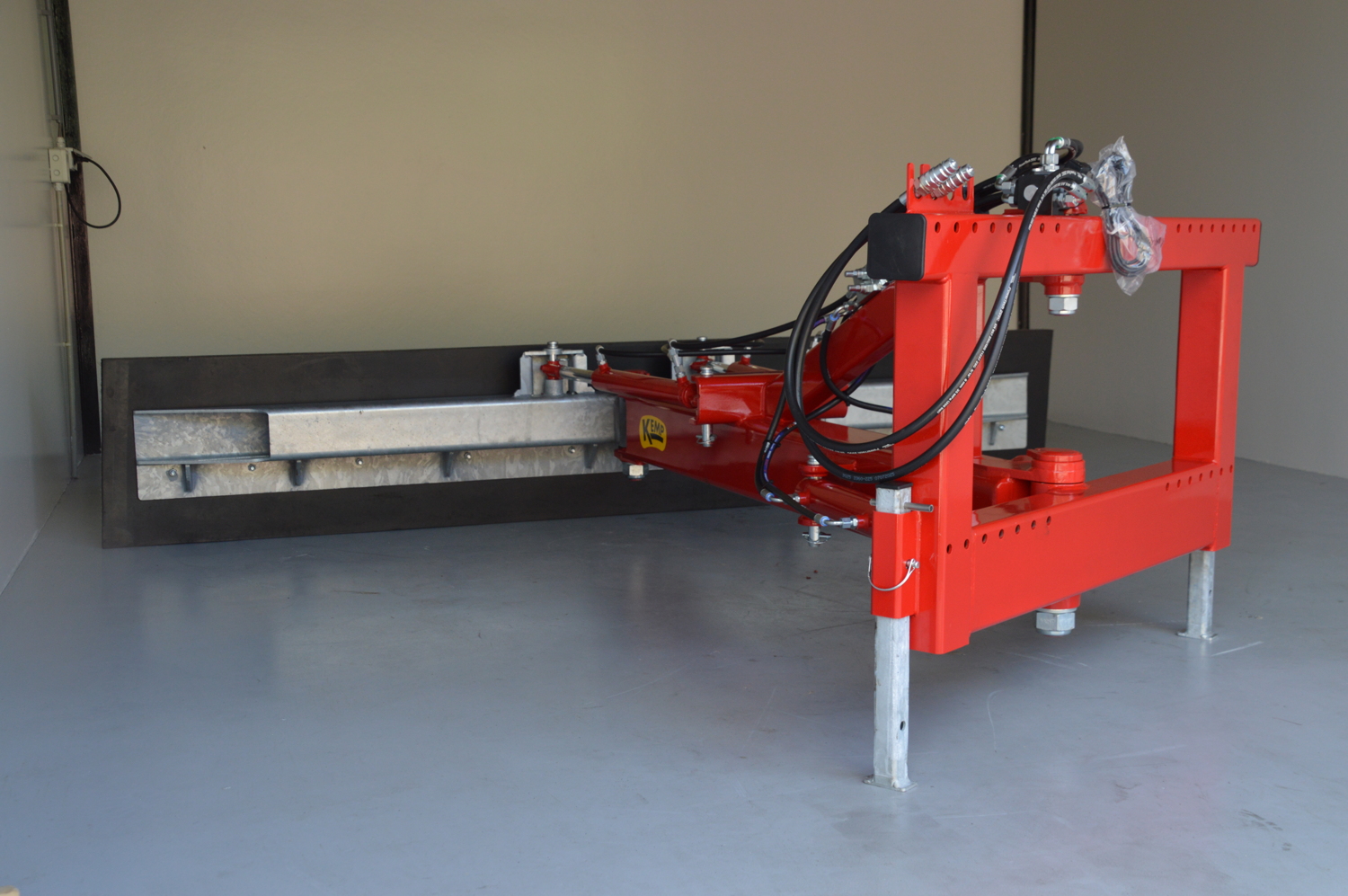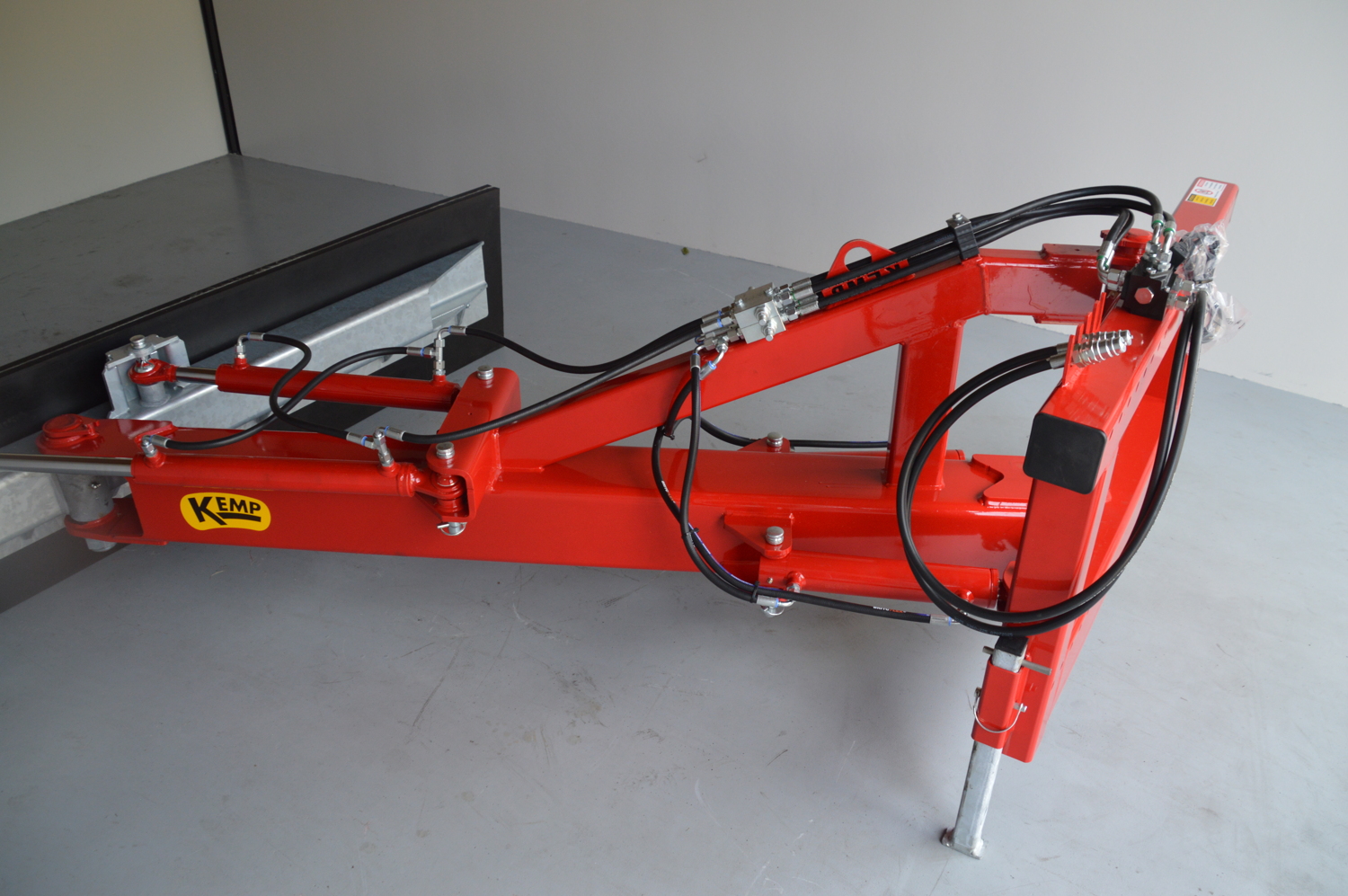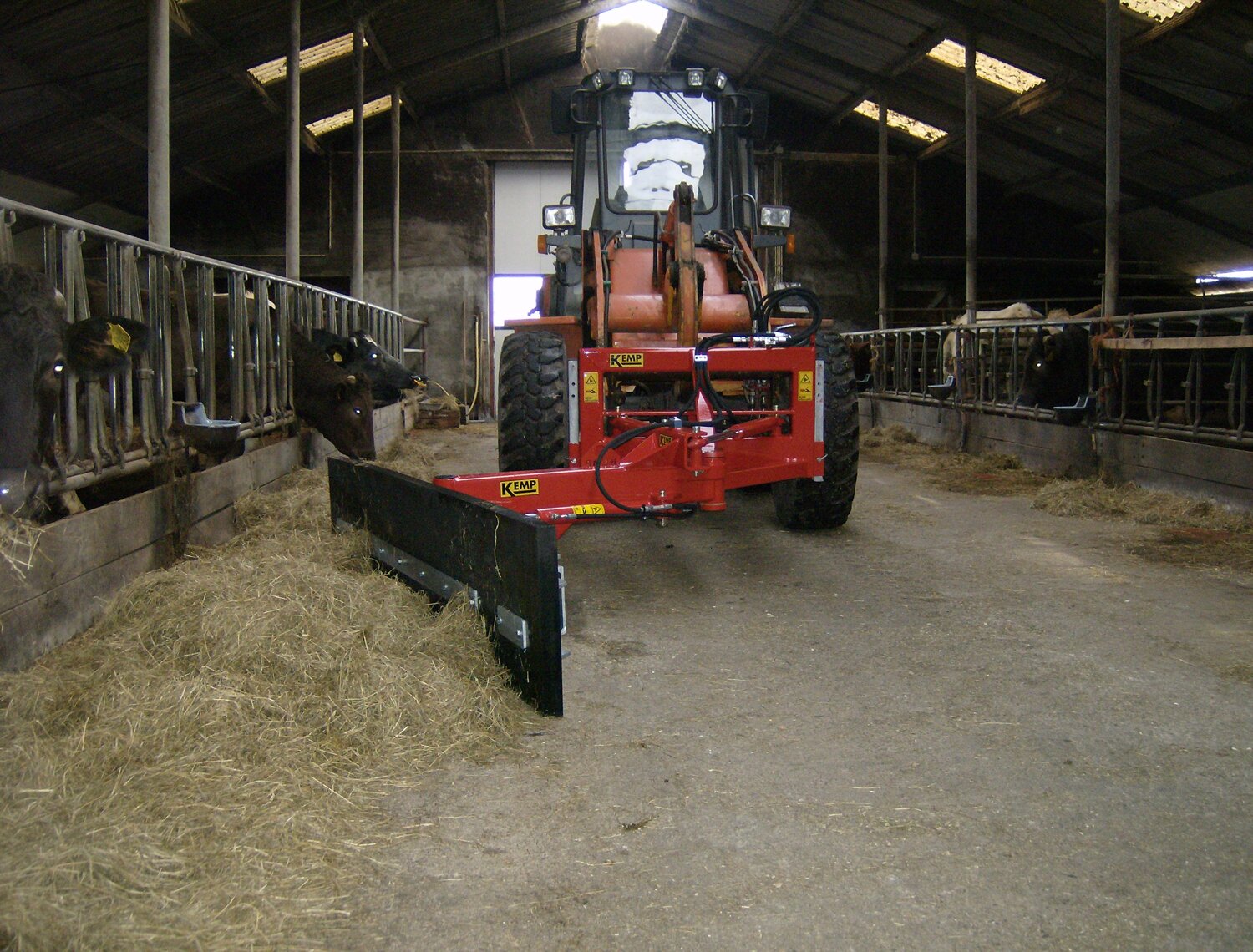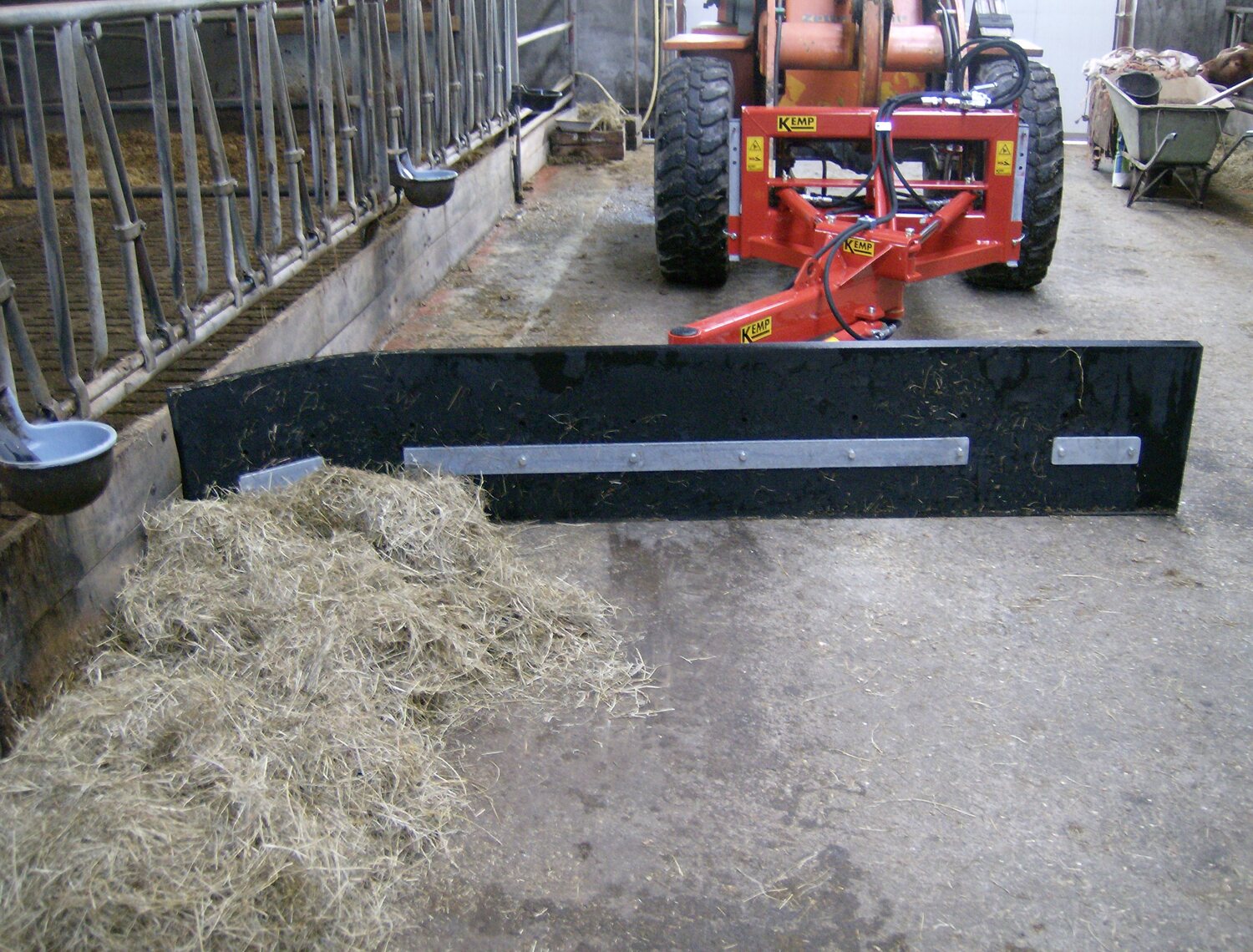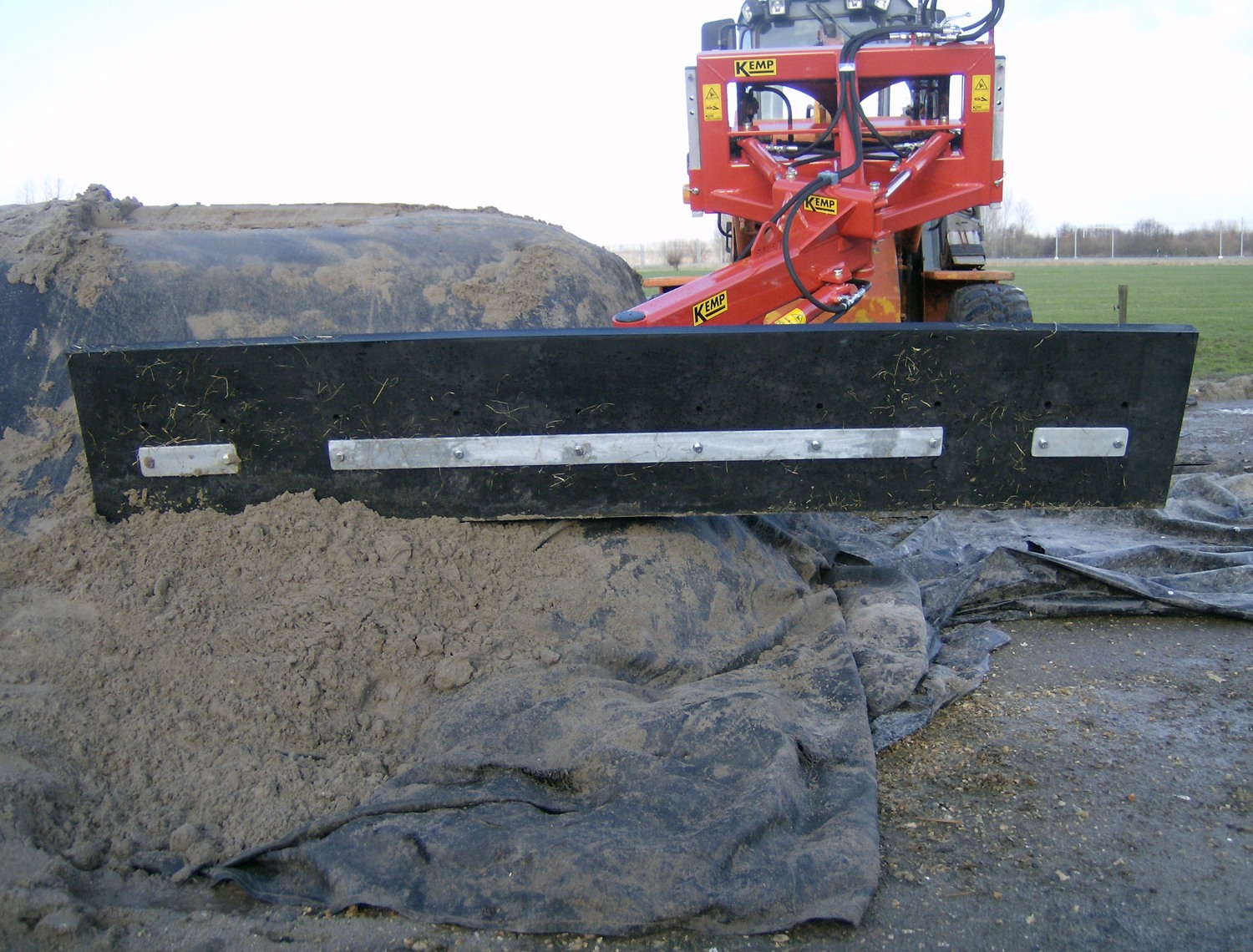
The Kemp rubber feed and silage pusher (RVSKS) is designed for efficiently pushing feed and removing sand from the silage clamp. By combining a feed pusher and silage pusher in one machine, it can be used both in the barn and on the silage clamp. The pusher has a robust construction, is available in several versions, and is suitable for use with a wheel loader, telehandler or tractor.
Advantages
Construction
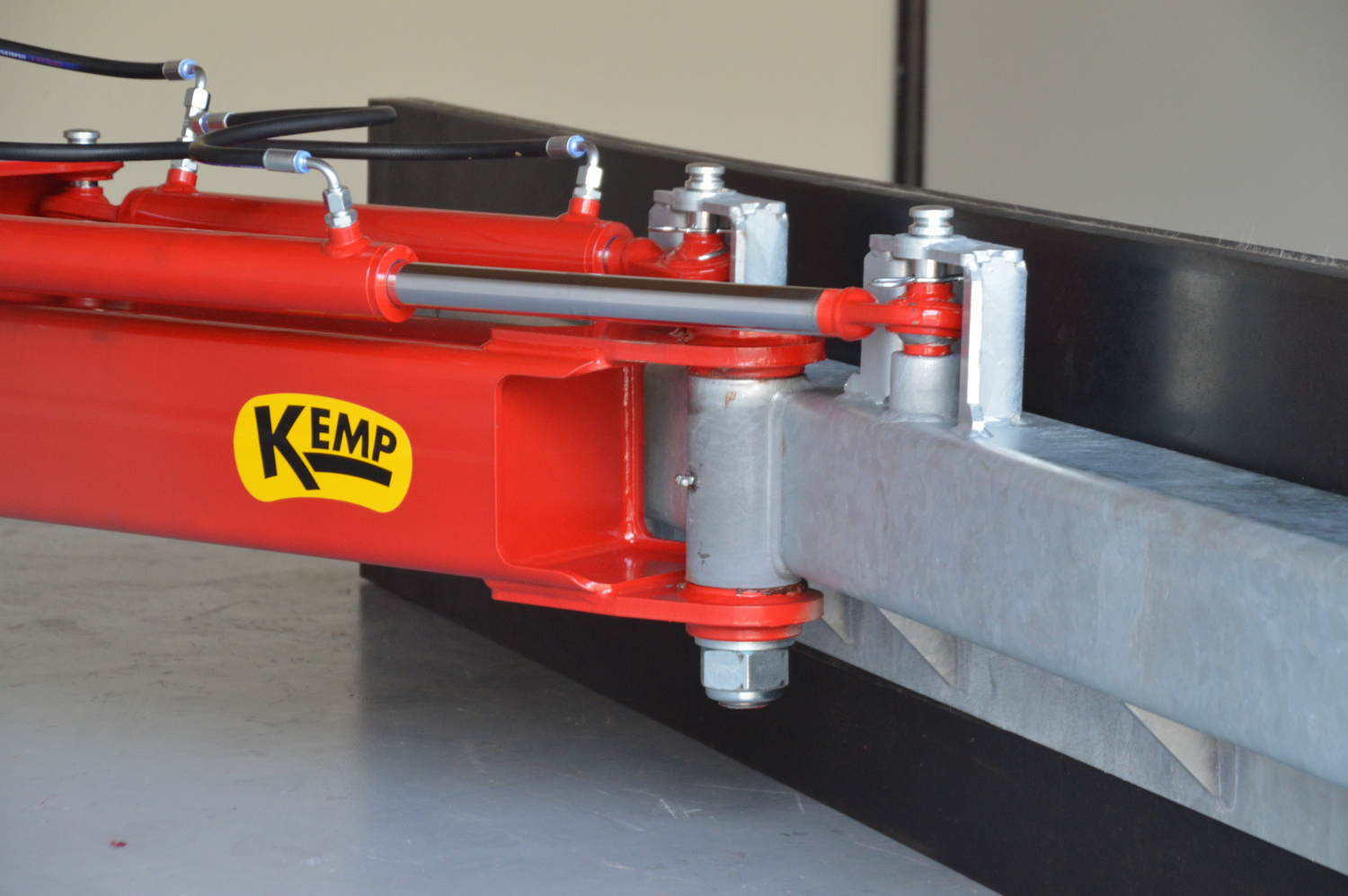
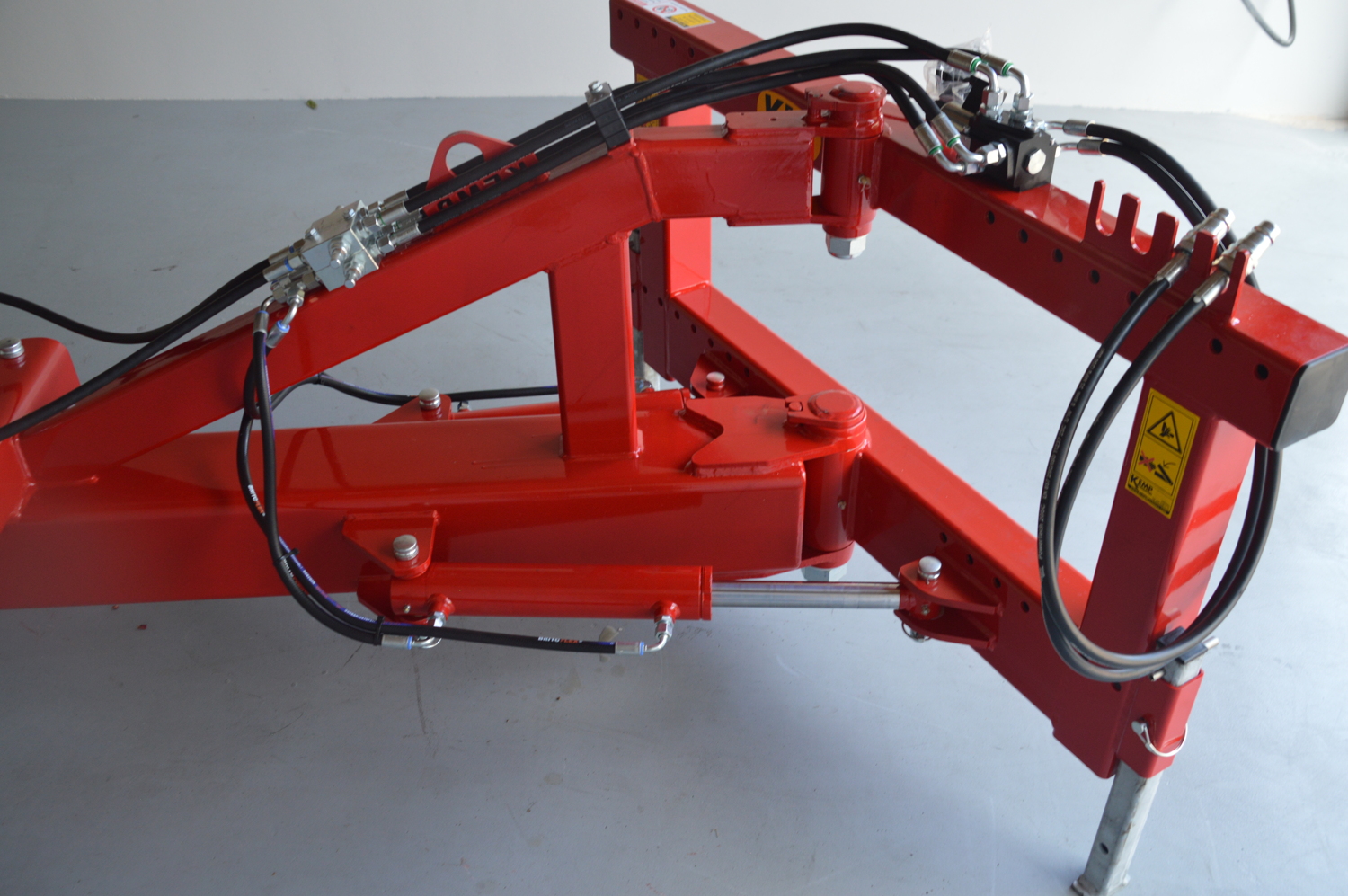
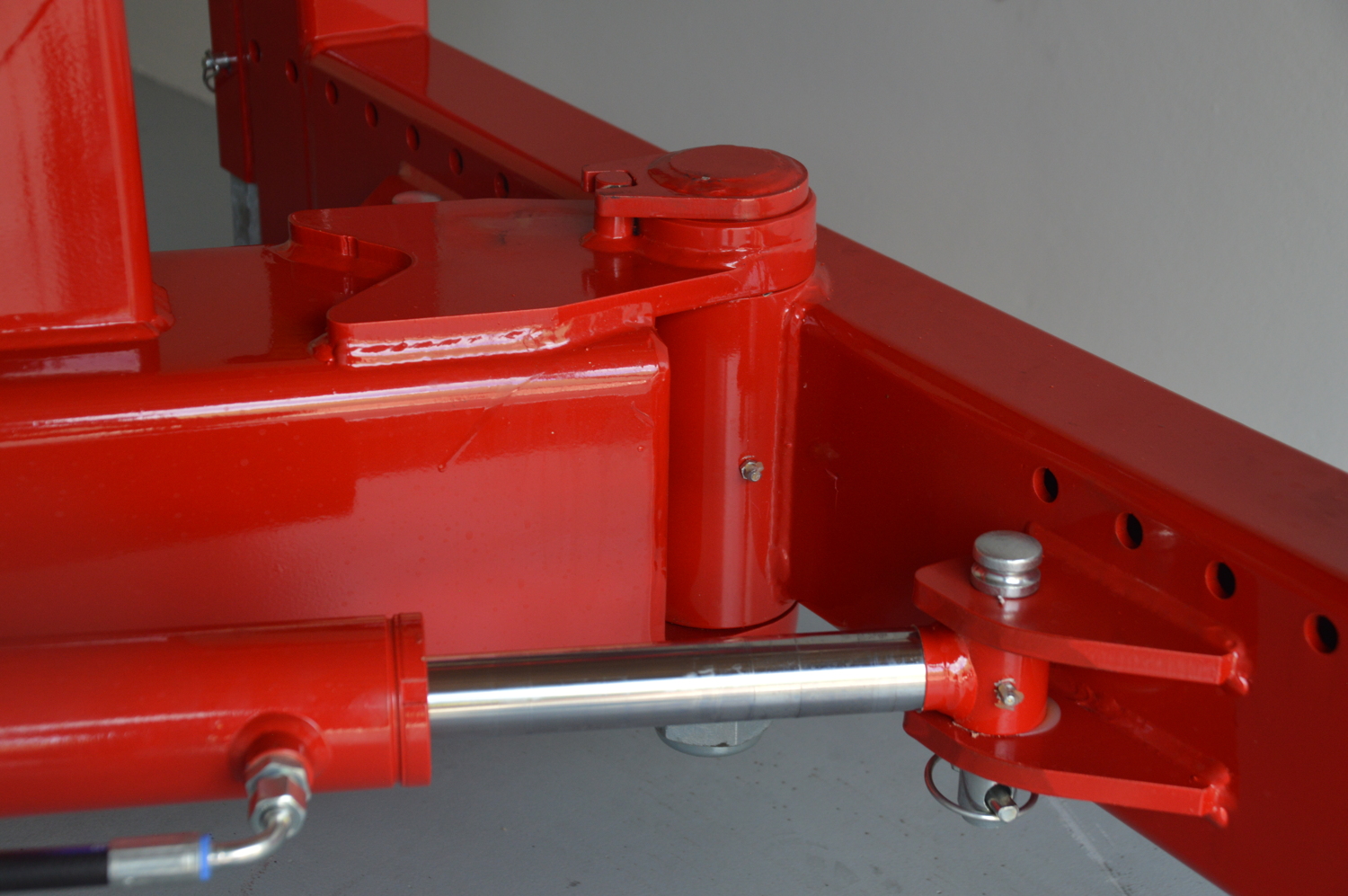
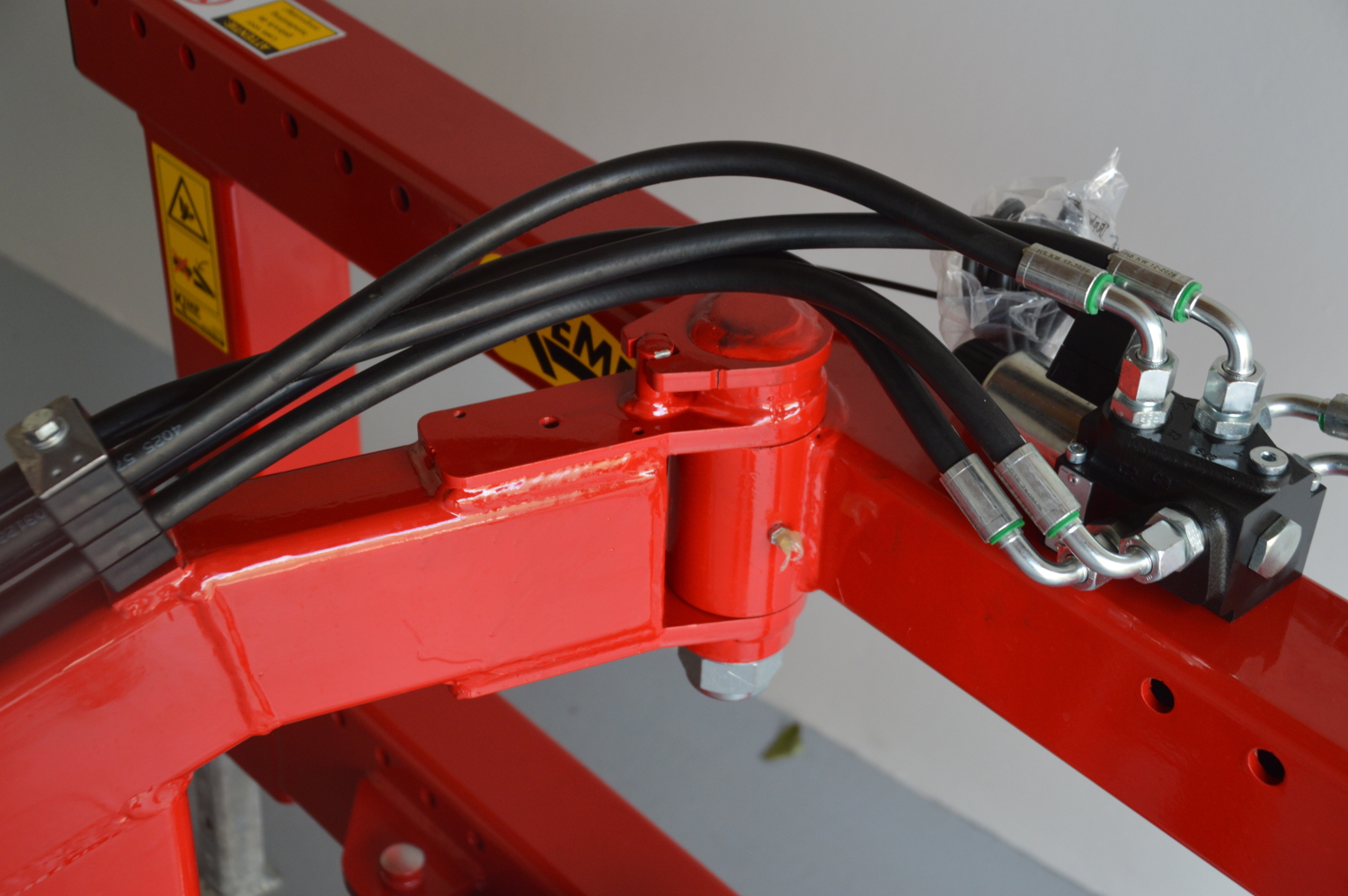
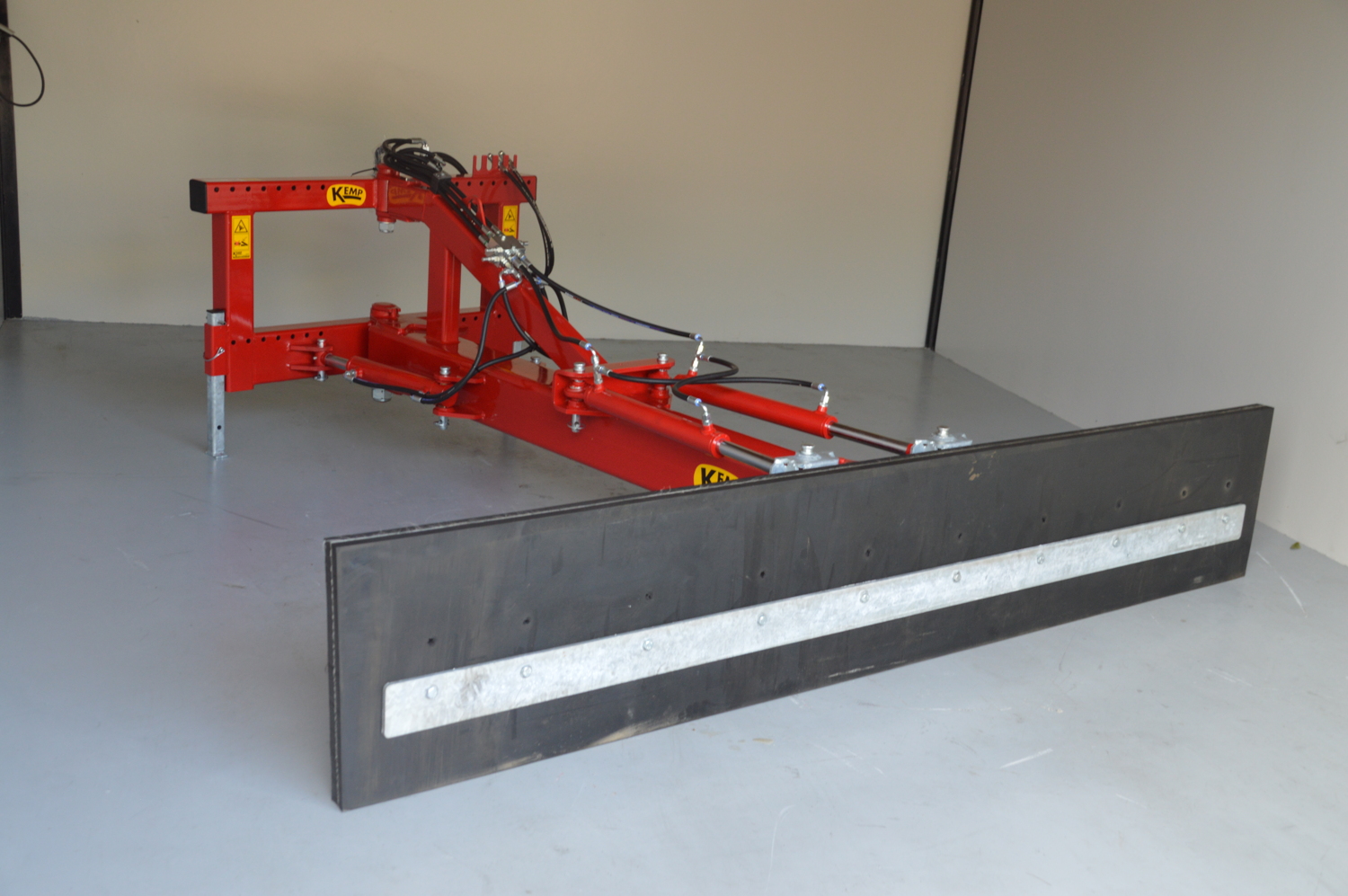
The RVSKS is equipped with two pivot points and four hydraulic cylinders. Thanks to the double pivot point, the rubber blade can be kept in the same position while the first pivot point swivels. This allows the centre of the rubber blade to be shifted up to approximately 700 mm from the centre of the vehicle, enabling sand to be effectively pushed off the silage clamp.
In addition, the double pivot point allows the pusher to swivel more than 70 degrees.
The front cylinders are used for pushing sand and keeping the yard clean. The rear cylinders are used for pushing feed, allowing the pusher to be positioned alongside the vehicle.
The RVSKS features a robust beam construction with a rubber blade mounted on an oscillating frame. This construction allows the rubber blade to adapt to the ground and maintain good contact with the surface. As a result, the rubber wears evenly and its service life is extended.
The RVSKS comes standard with manually adjustable angles. These can be adjusted up to 30 degrees and ensure that the feed stays close to the rubber blade and is moved in a controlled manner in the direction of travel.
The RVSKS2244 and RVSKS2544 are equipped with a 400 mm high rubber blade. The RVSKS2855 has a rubber blade height of 500 mm. The rubber blade has multiple mounting holes, allowing it to be reversed or lowered when one side is worn.
Versions
The rubber feed and silage pusher (RVSKS) is available in several versions.
See the Specifications section for more information and options.
The RVSKS is available in different versions. The table below shows the differences between the individual types.
| Types | Rubber width | Rubber height | Rubber thickness |
| RVSKS2244 | 2,200 mm | 400 mm | 40 mm |
| RVSKS2544 | 2,500 mm | 400 mm | 40 mm |
| RVSKS2855 | 2,800 mm | 500 mm | 50 mm |
In addition, the different types can be equipped with additional options depending on the type of vehicle.
| Options | Description | Suitable for types |
| SV | Shock valve for impact protection (2x) | All types |
| GT | Pilot operating non-return valve (2x) | All types |
| 3-way | 3-way ball valve (at one double-acting function on vehicle) |
All types |
| 6/2 valve | Electrical 6/2 hydraulic valve | All types |
Explanation of the options:
SV: The shock valve protects the feed pusher in the event of contact with obstacles. When the pusher hits an obstacle, the valve absorbs the pressure in the hydraulic system and redirects it to the other cylinder. This allows the pusher to move past the obstacle and significantly reduces the risk of damage to the machine.
GT: The check valve ensures that the pusher remains in position on vehicles with an open-centre hydraulic system by blocking the oil flow.
3-way: The 3-way ball valves make it possible to operate multiple hydraulic functions using a single double-acting valve. By manually switching the ball valves, the operator can select which function is active. This option is used when the vehicle has a limited number of hydraulic functions, while the machine requires multiple functions.
6/2 valve: A 6/2 valve is a hydraulic valve that allows the operator to switch between two functions using a single hydraulic connection. This option is used when multiple functions need to be operated but the vehicle has a limited number of hydraulic connections.
Kemp Machines designs, manufactures, and develops implements for agriculture, civil engineering, and landscaping. Since 1998, we have been supplying machines such as feed pushers, bale clamps, weed brushes, and terrain pushers.